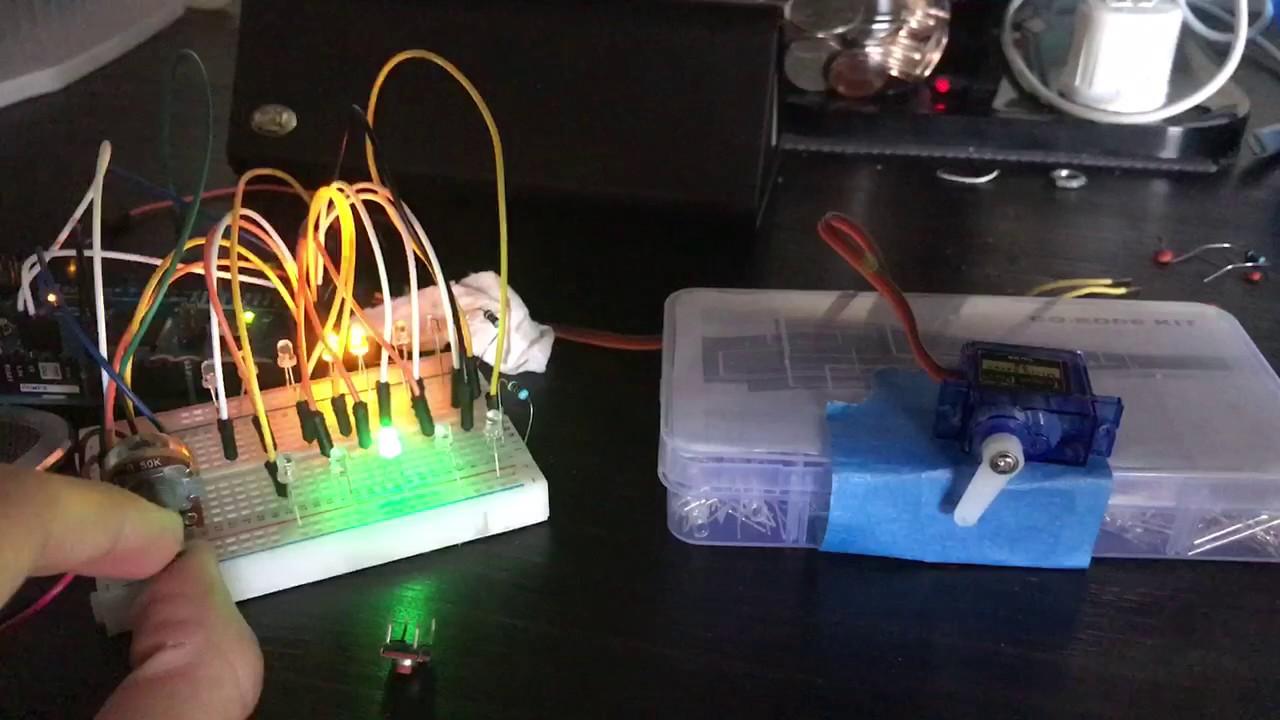
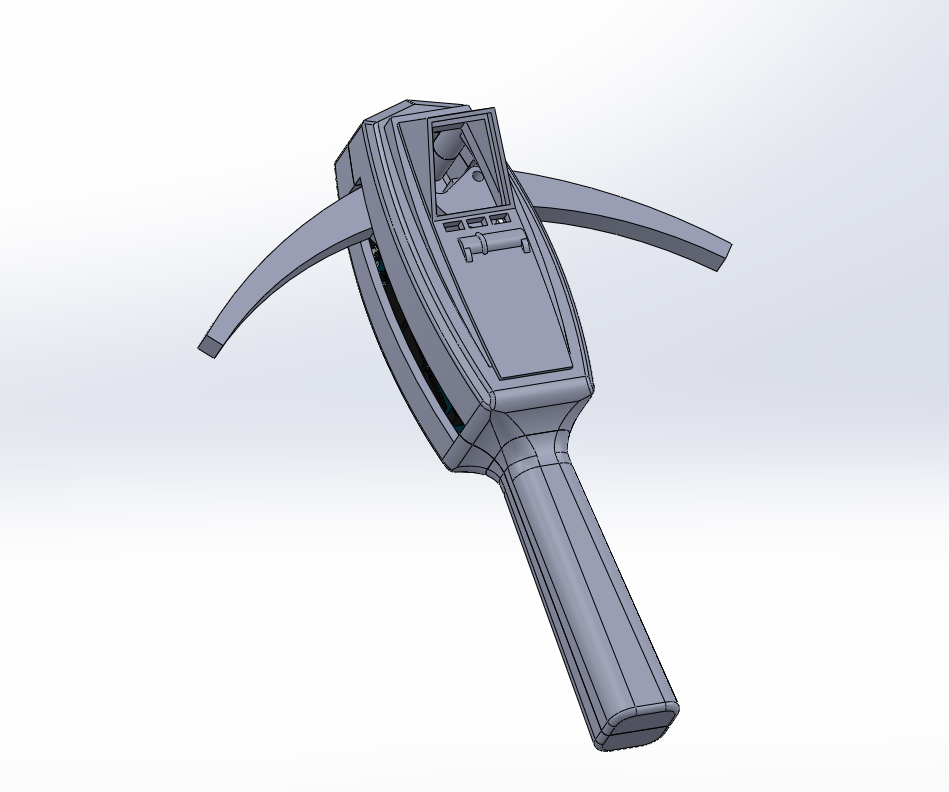
It all began with me testing out how to use a servo on an Arduino without using the delay function… Boy did I do it. My brain set to work on how I could apply this to potential builds. So naturally I thought of the PKE meter which I have always wanted to build. Here’s the outcome of that brainstorm
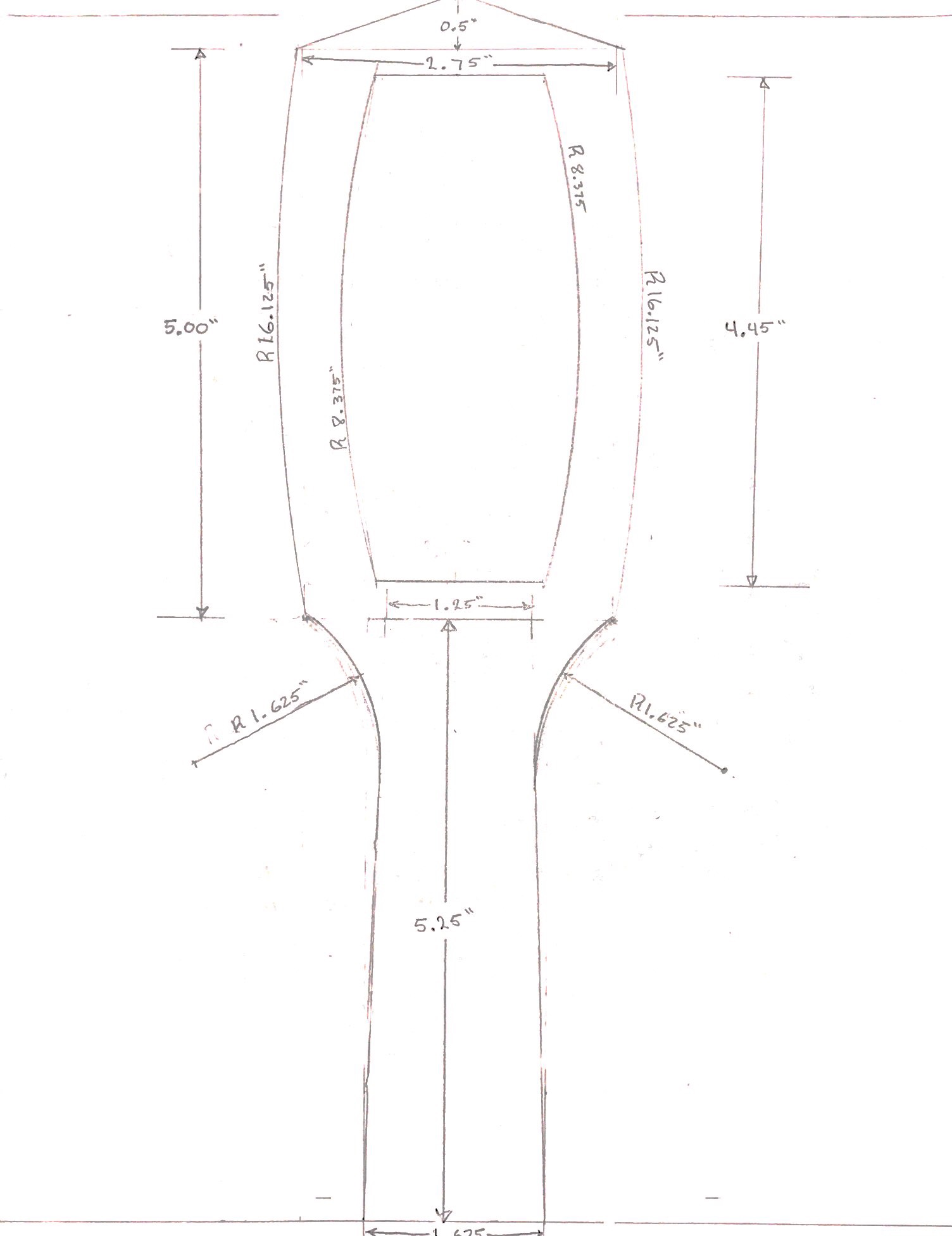
I have officially begun another build project. This time I am building the PKE meter. It’s a little bit tough because there are no consistent dimensions I have found for it so I drew it by hand first to get a rough guestimate.
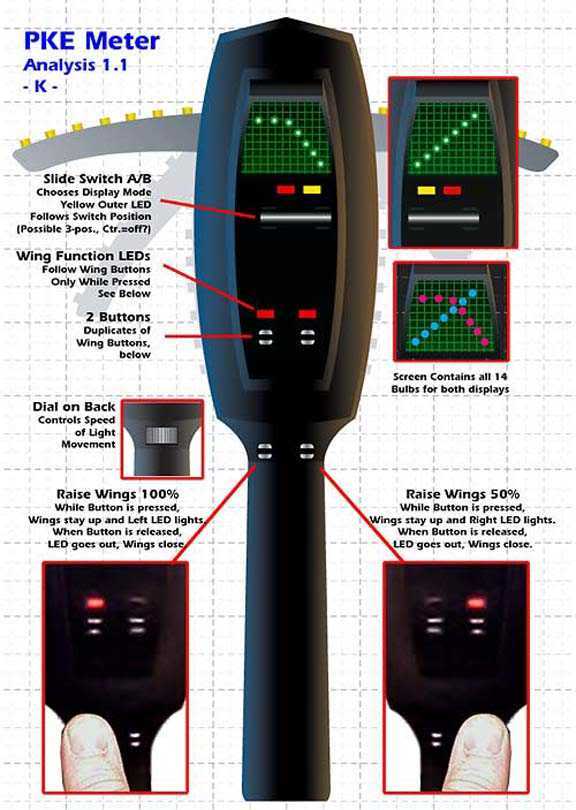
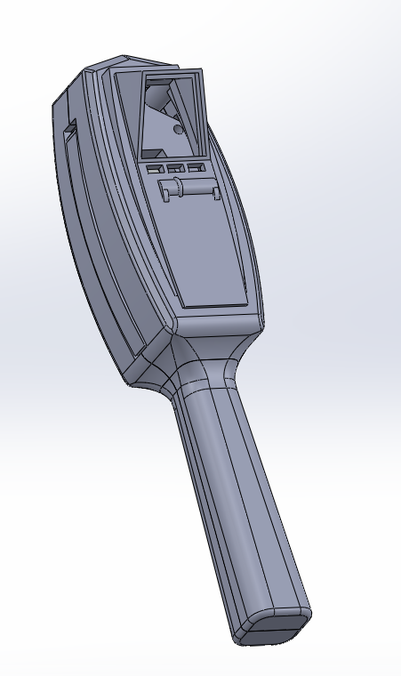
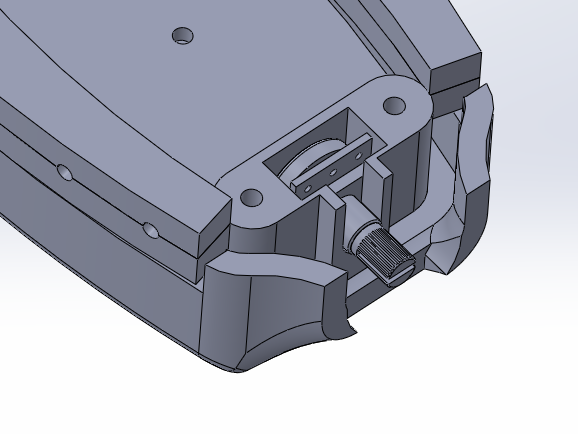
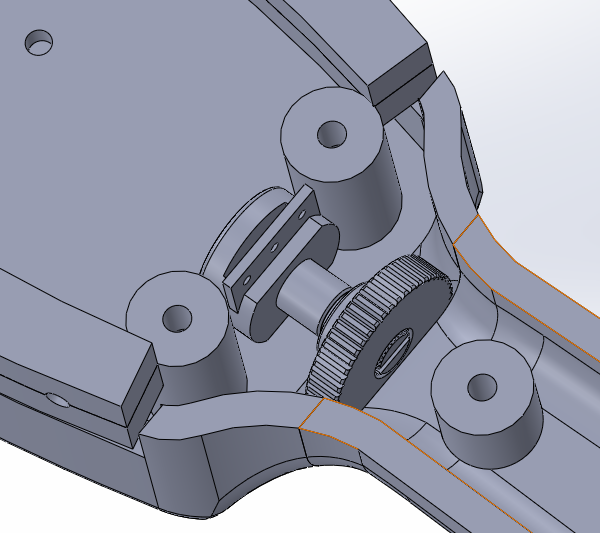
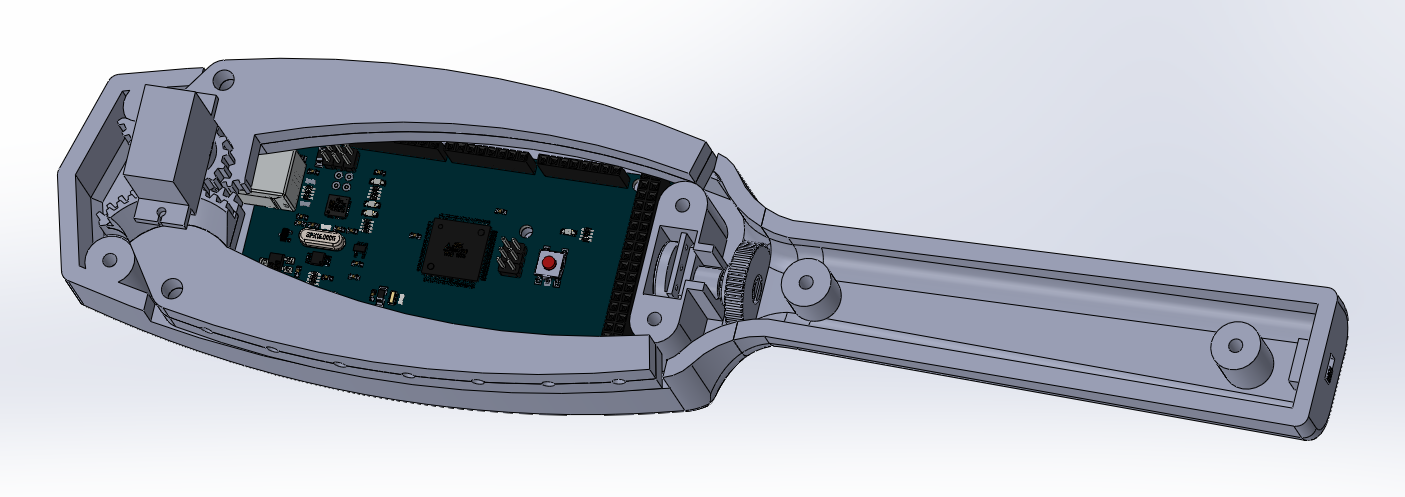
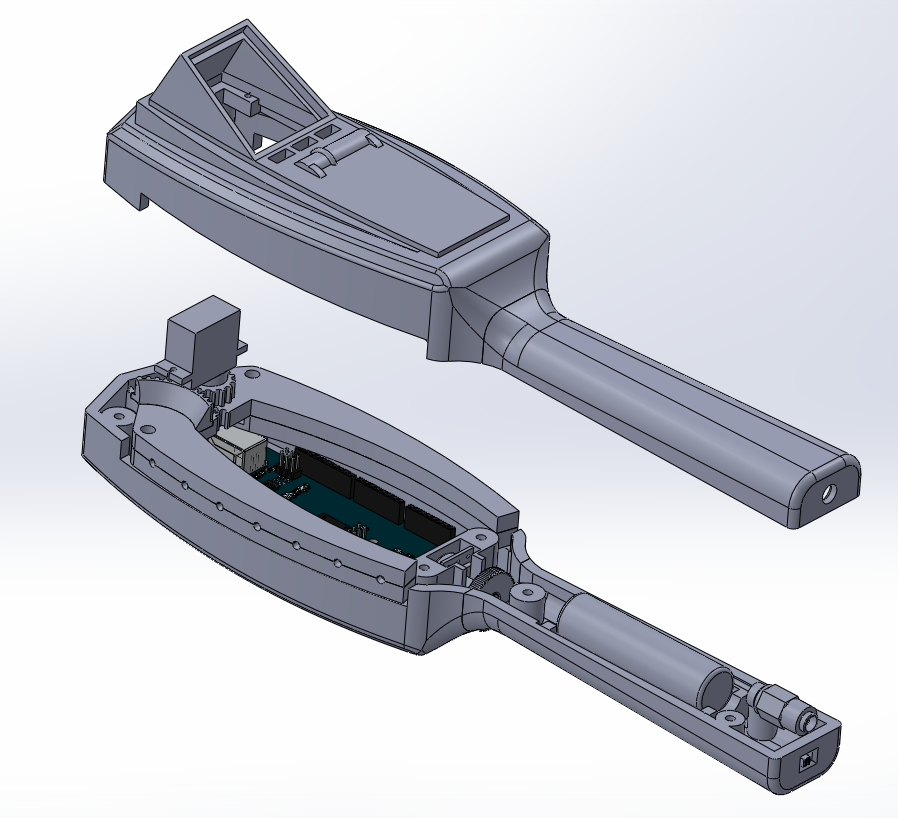
Where I then stretched the drawn image to match the one I pulled up. I did this just to make sure my proportions were right. I then added the image into Solidworks and began modeling. https://www.youtube.com/watch?v=IJTd7gmPbwo Super rough model. But after a few more hours it took shape and now looks like this:
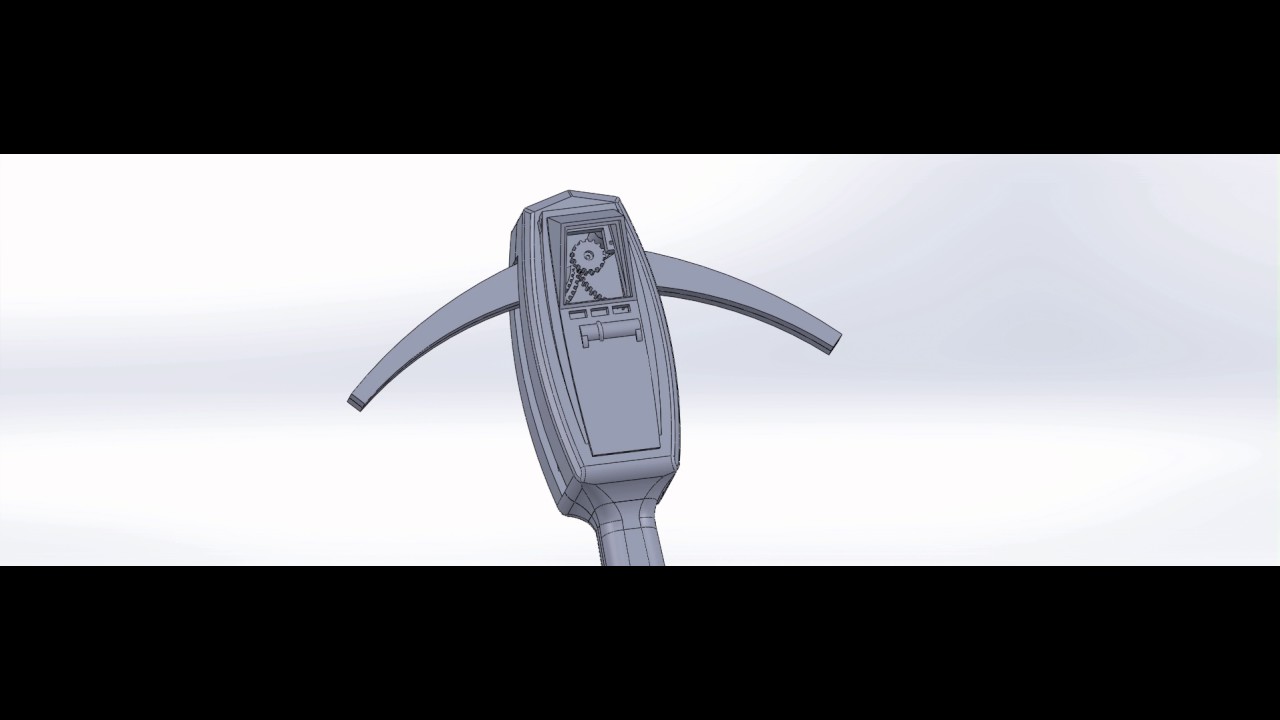
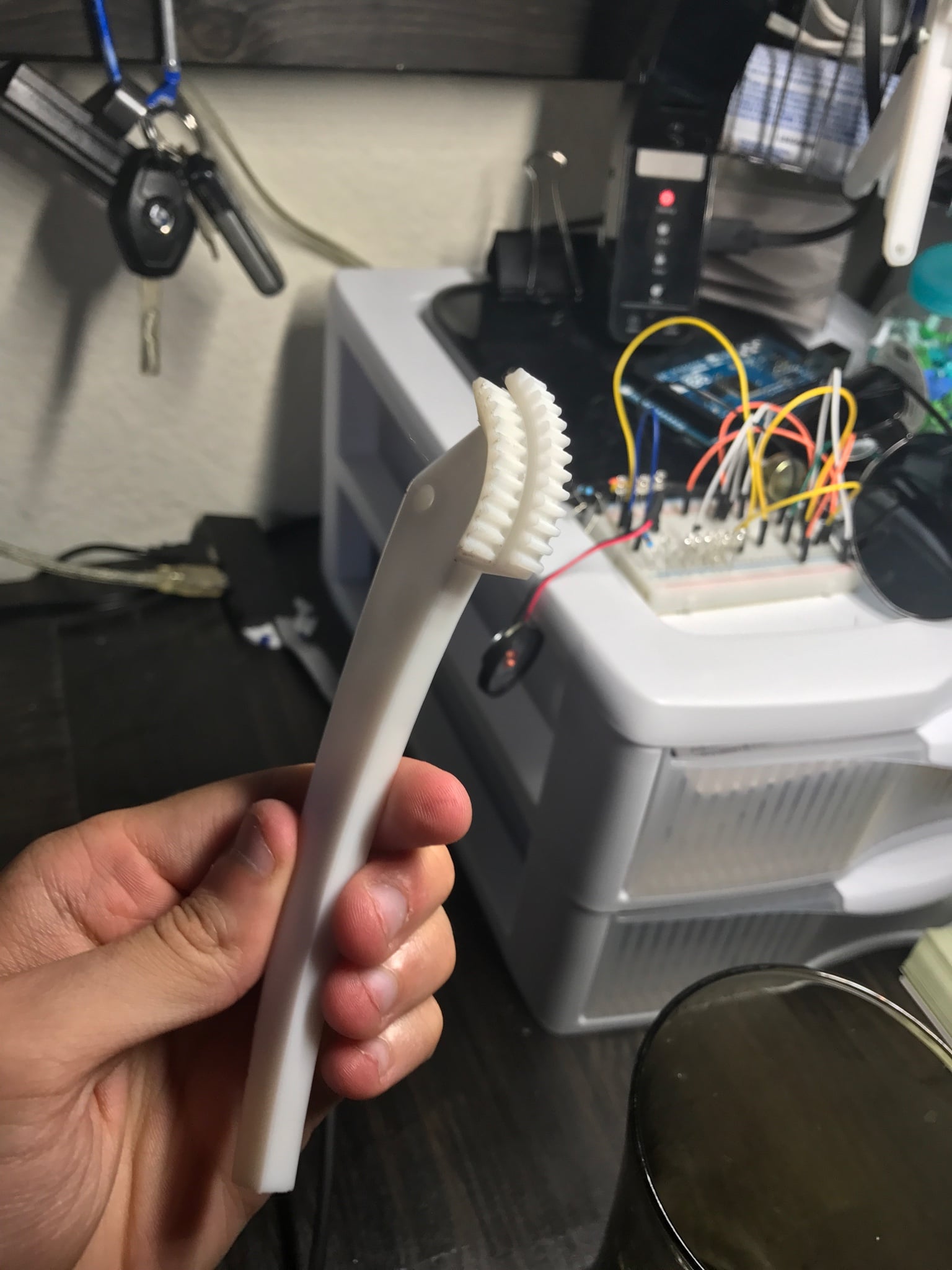
I created the assembly in solidworks just to make sure it’s feasible to 3D print let alone assemble it. Hopefully it’s all good but here’s a video of the gear set I have for the arms to move via a servo
That’s all I have for now, but keep me accountable for keeping you guys updated! Let me know what you think so far and if you have any questions I’ll definitely try to answer them
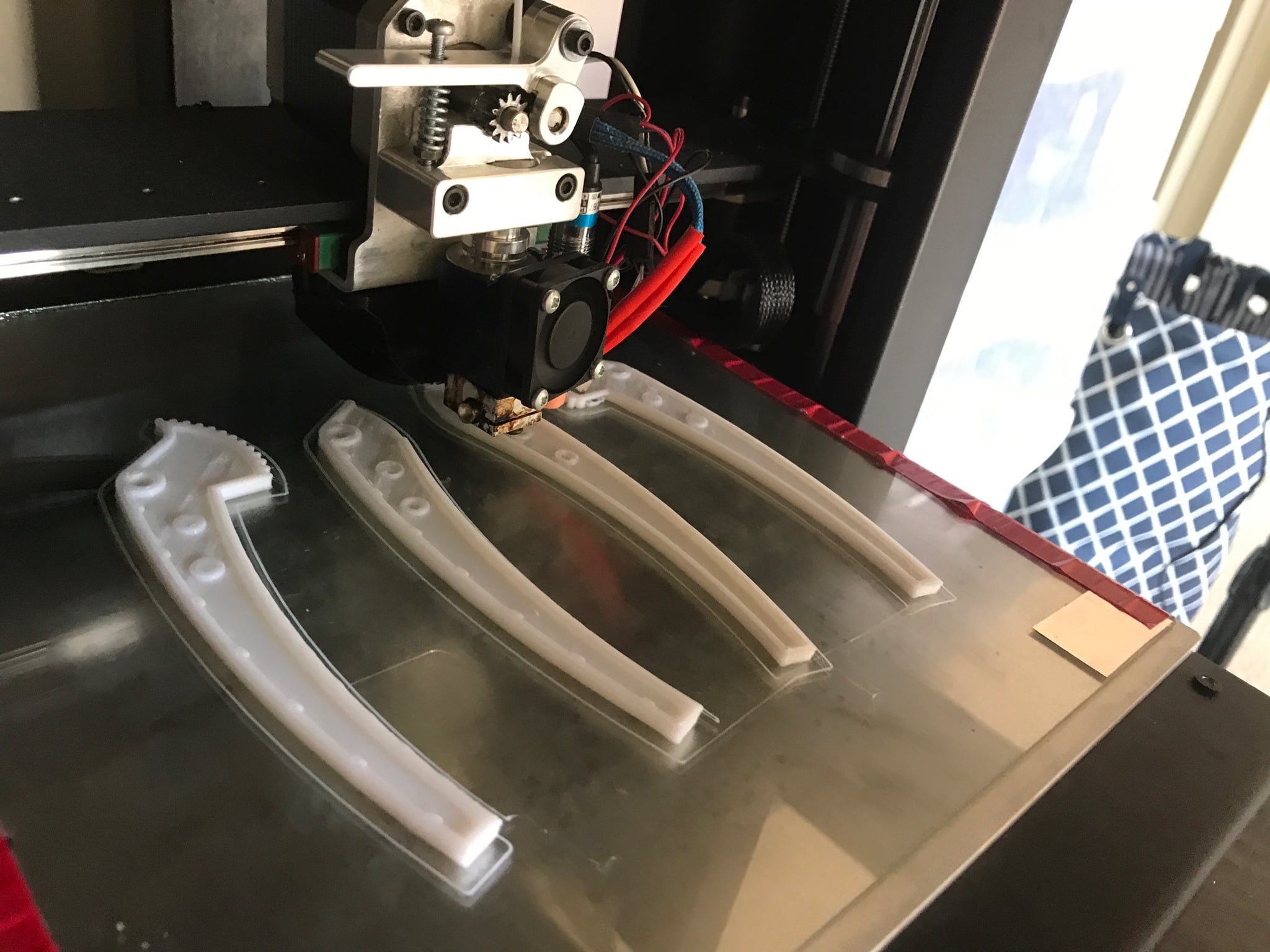
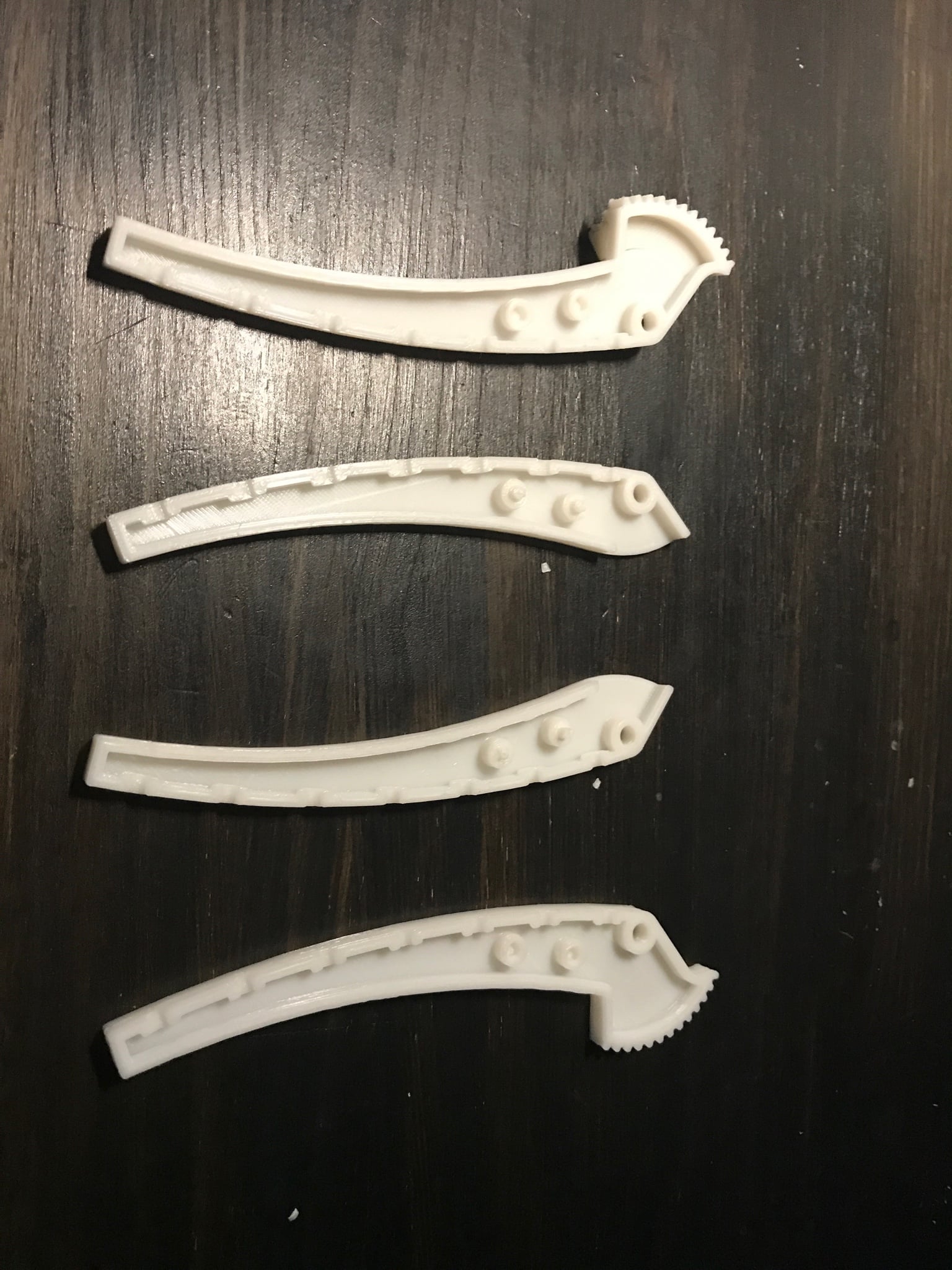
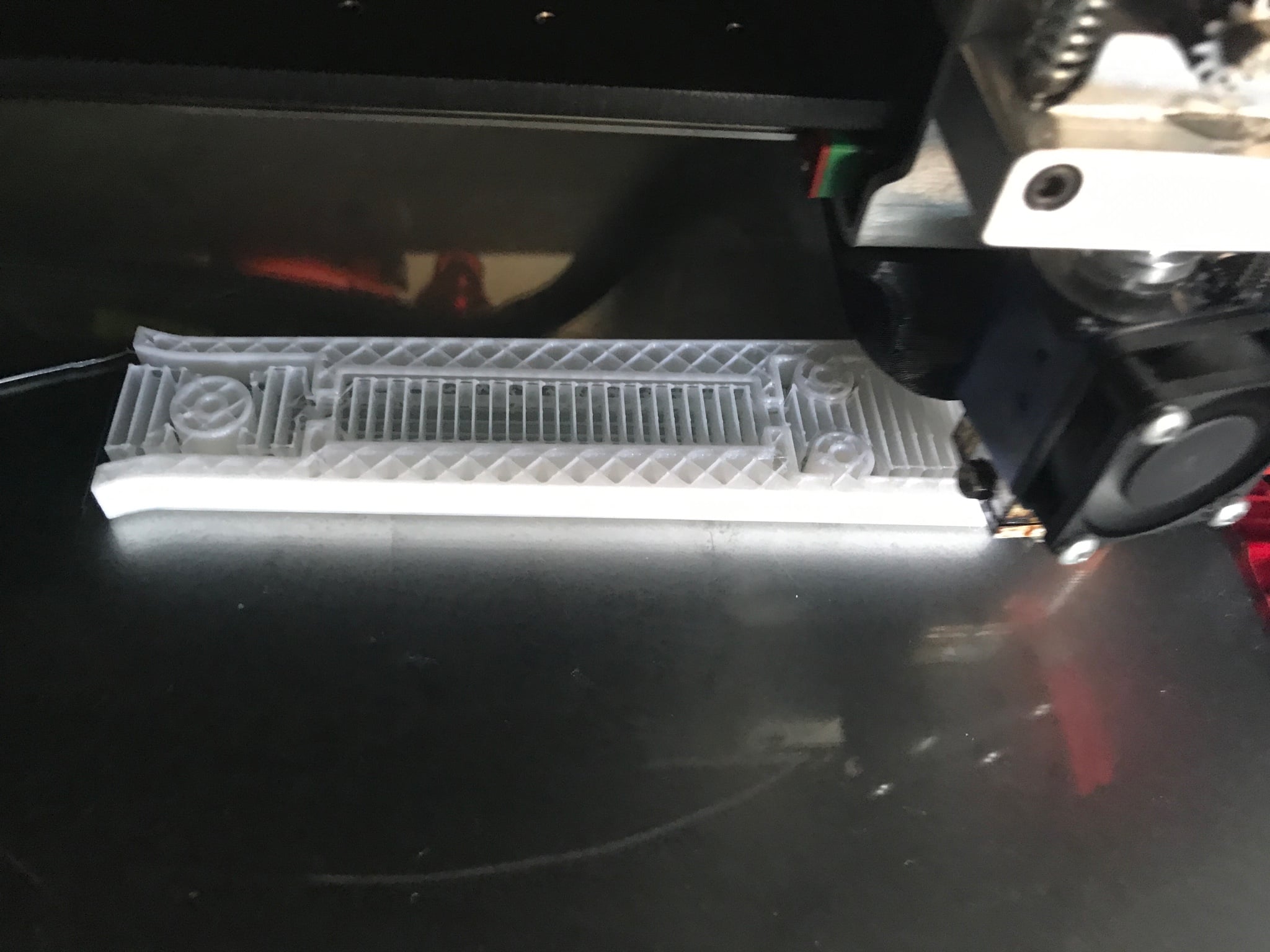
I can pretty much only work on this project during the weekend for the time being because of school, but I’ve printed out the arm pieces and make sure the gears work nice and smoothly and they do!
Yes, it’s completely custom. I can change the length of the wings if I want to but I have them printed out already. In the next iteration I’ll shorten them a tad. Thanks for the observation! Hadn’t crossed my mind that they were a bit longer than the original
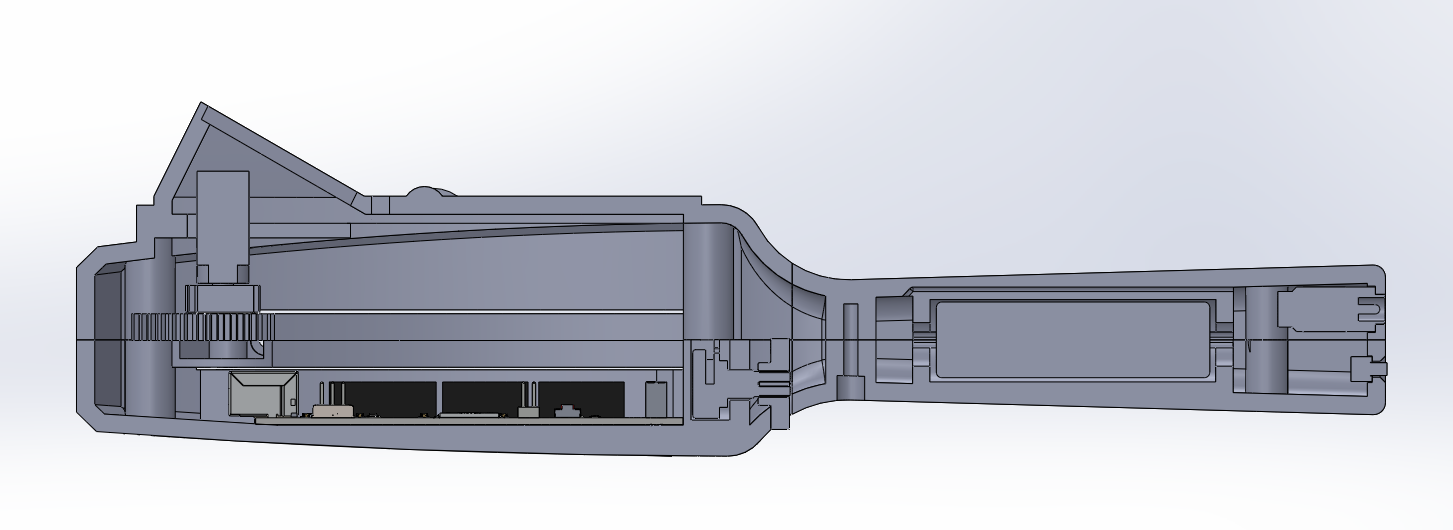
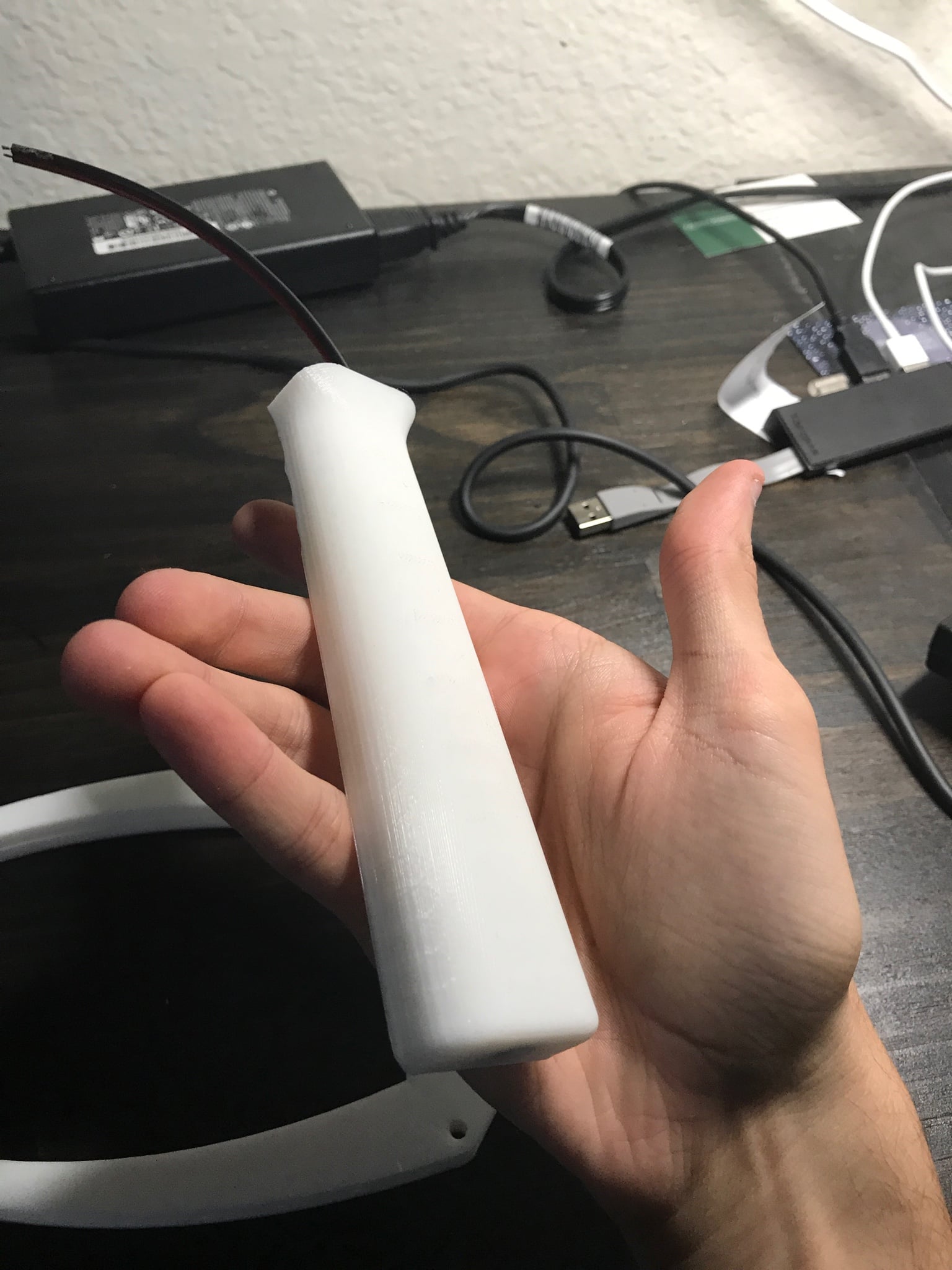
I hope this is helpful! To actually fit the Arduino into the body I had to remove the power socket soldered on-board. Otherwise it stick out too far. It’s not really crucial to the functionality of the arduino anyway since there are other pins to power it. However I probably plan to solder on a power socket anyway but instead of hardware on-board it will be attached via loose wire.
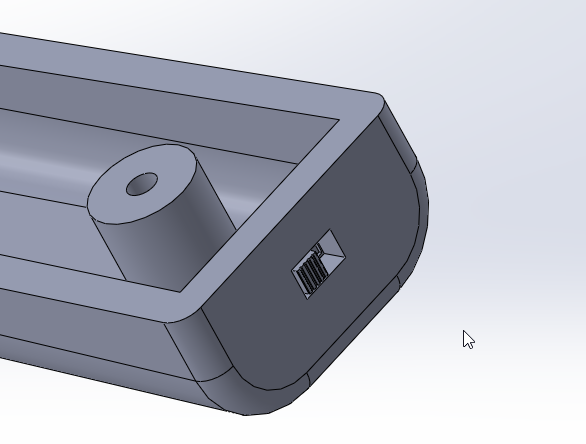
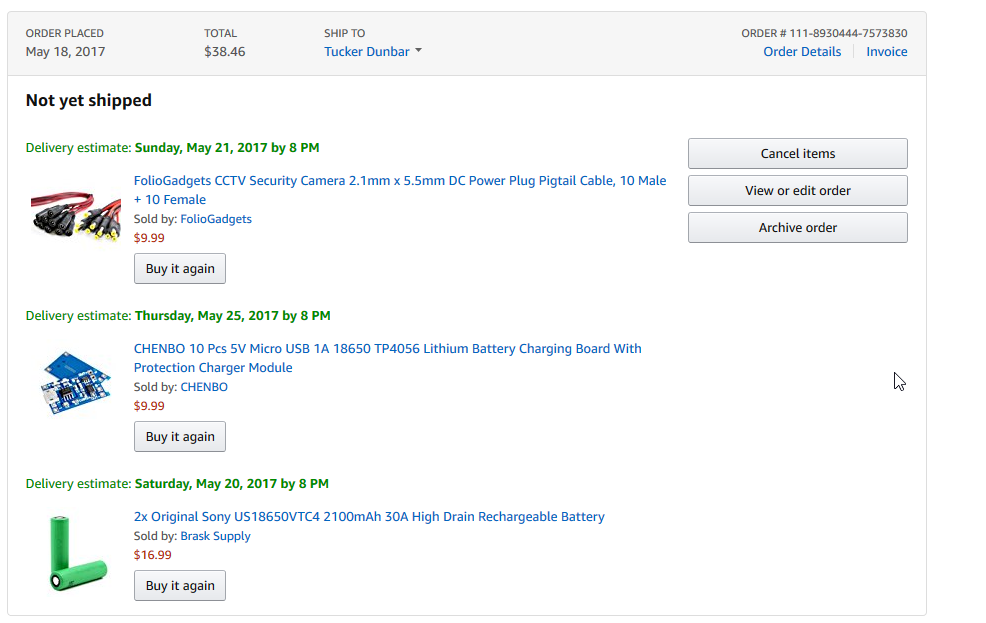
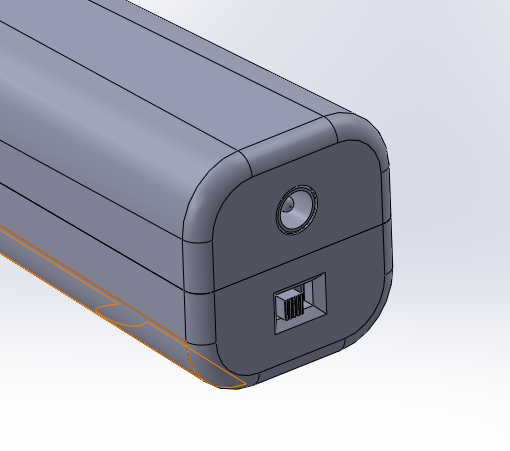
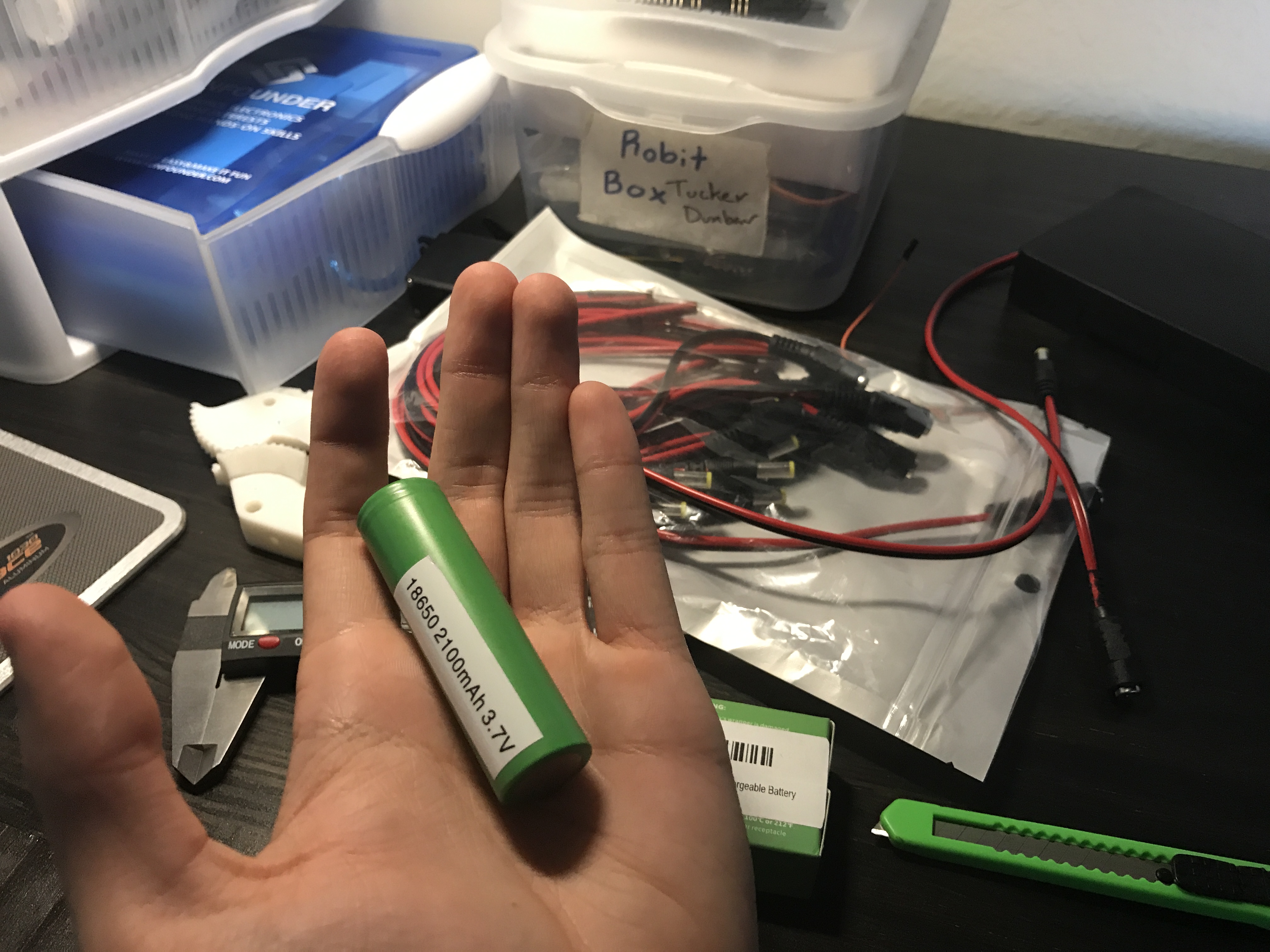
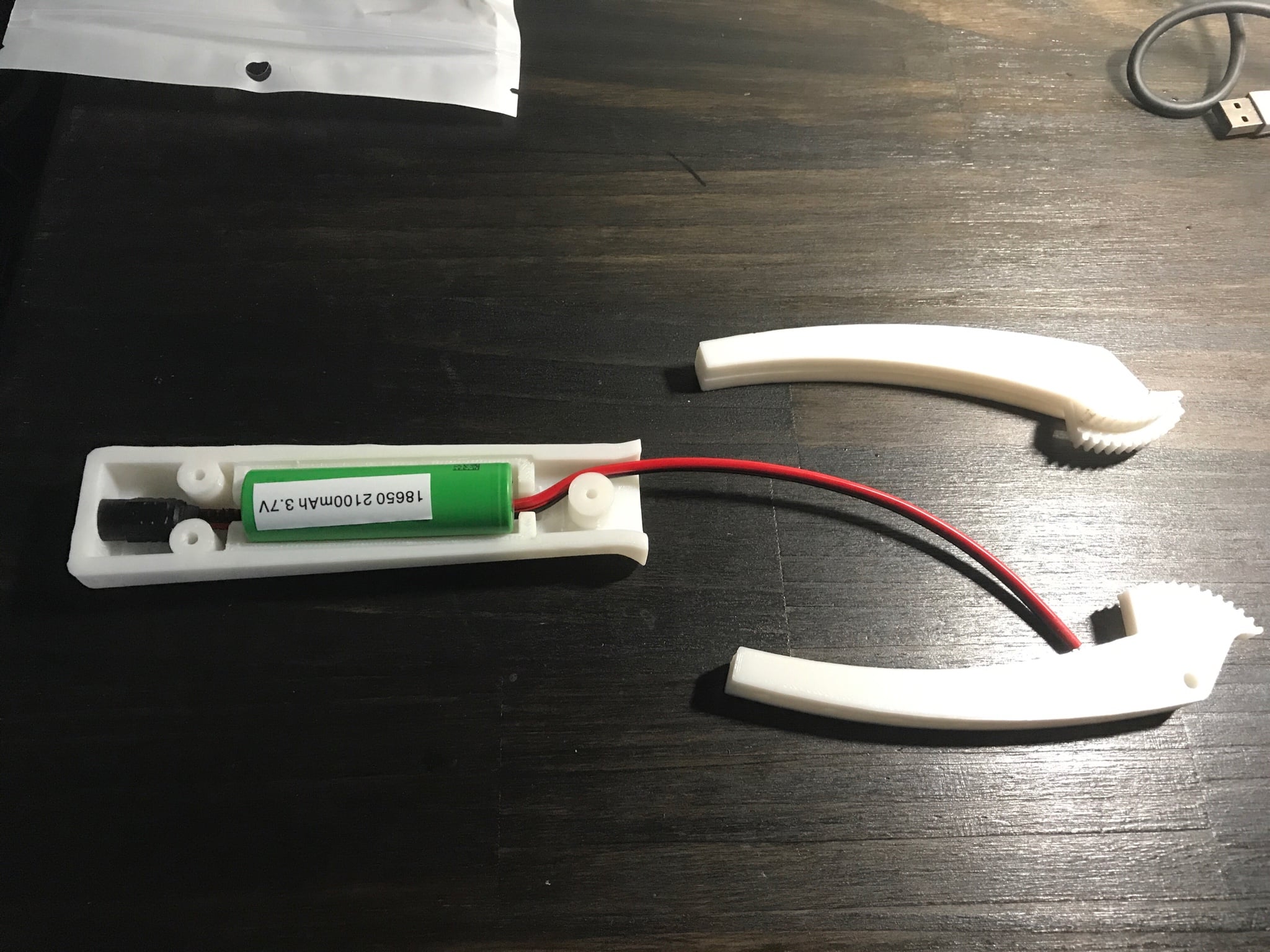
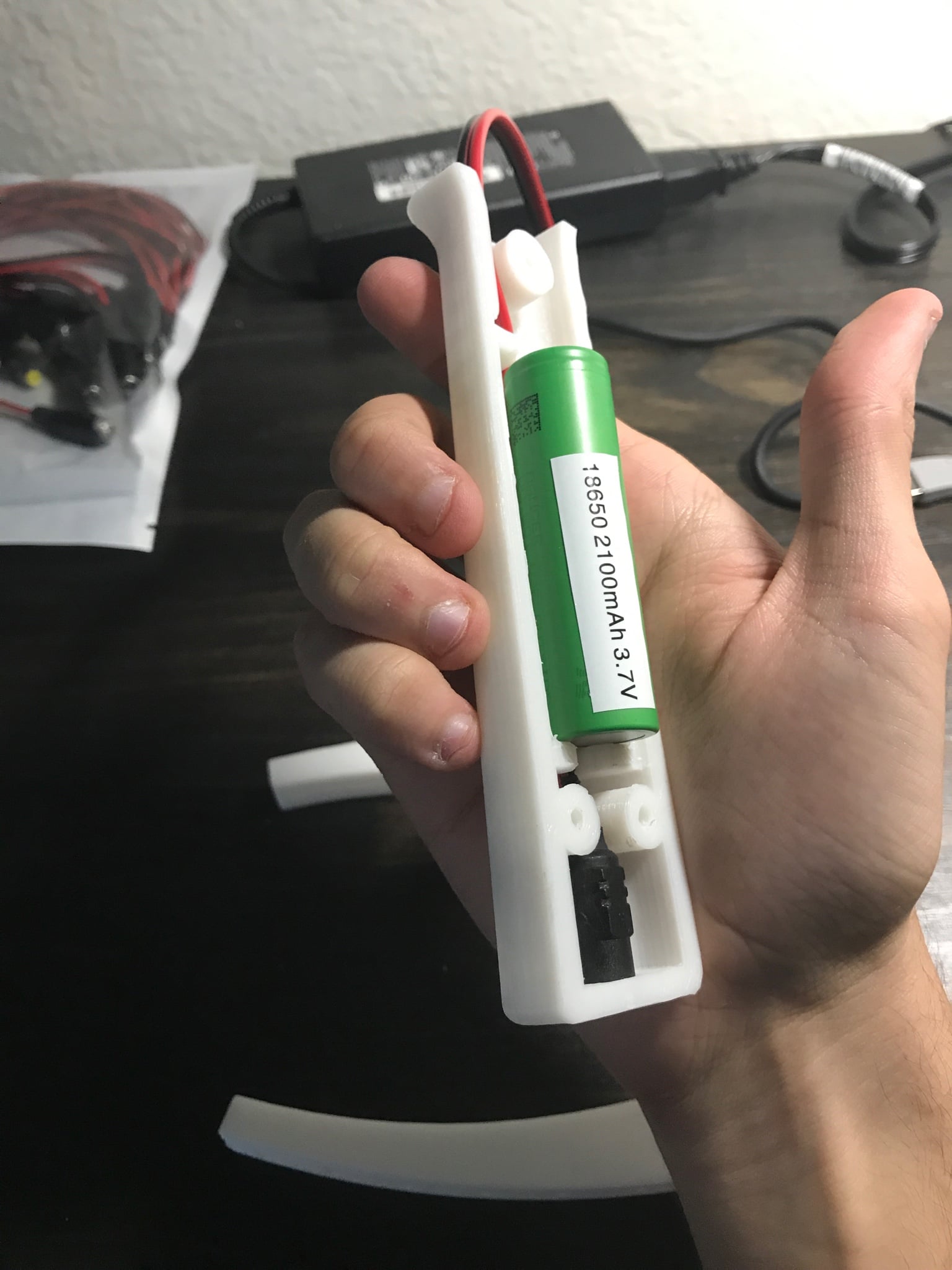
I just got the batteries and power adapters in the mail today and I took measurements of them so I could add the proper infrastructure onto the body. I added a space for the battery and a hole for the charging cable.
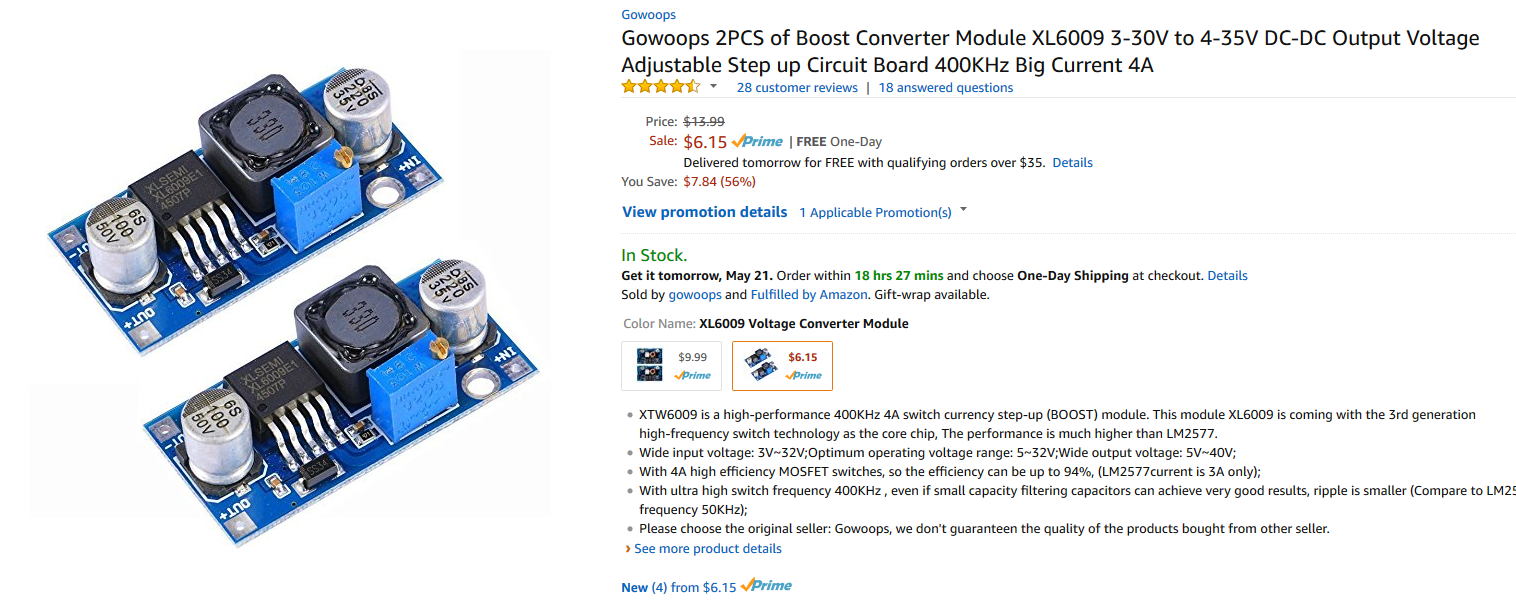
Although, I did find out that the batteries I bought are only 3.7 volts which is insufficient to power an arduino. So I ordered some step-up converters which will do the job nicely. I have ample room inside of the body itself to have other circuits if need be.